The Royal standard of Spinal assessment & treatment.
Sarah Key Method practitioner training
Next course: October 24th & 25th — hosted at Physio Plus NI, Northern Ireland
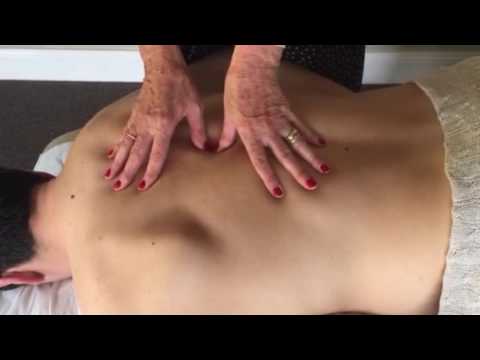
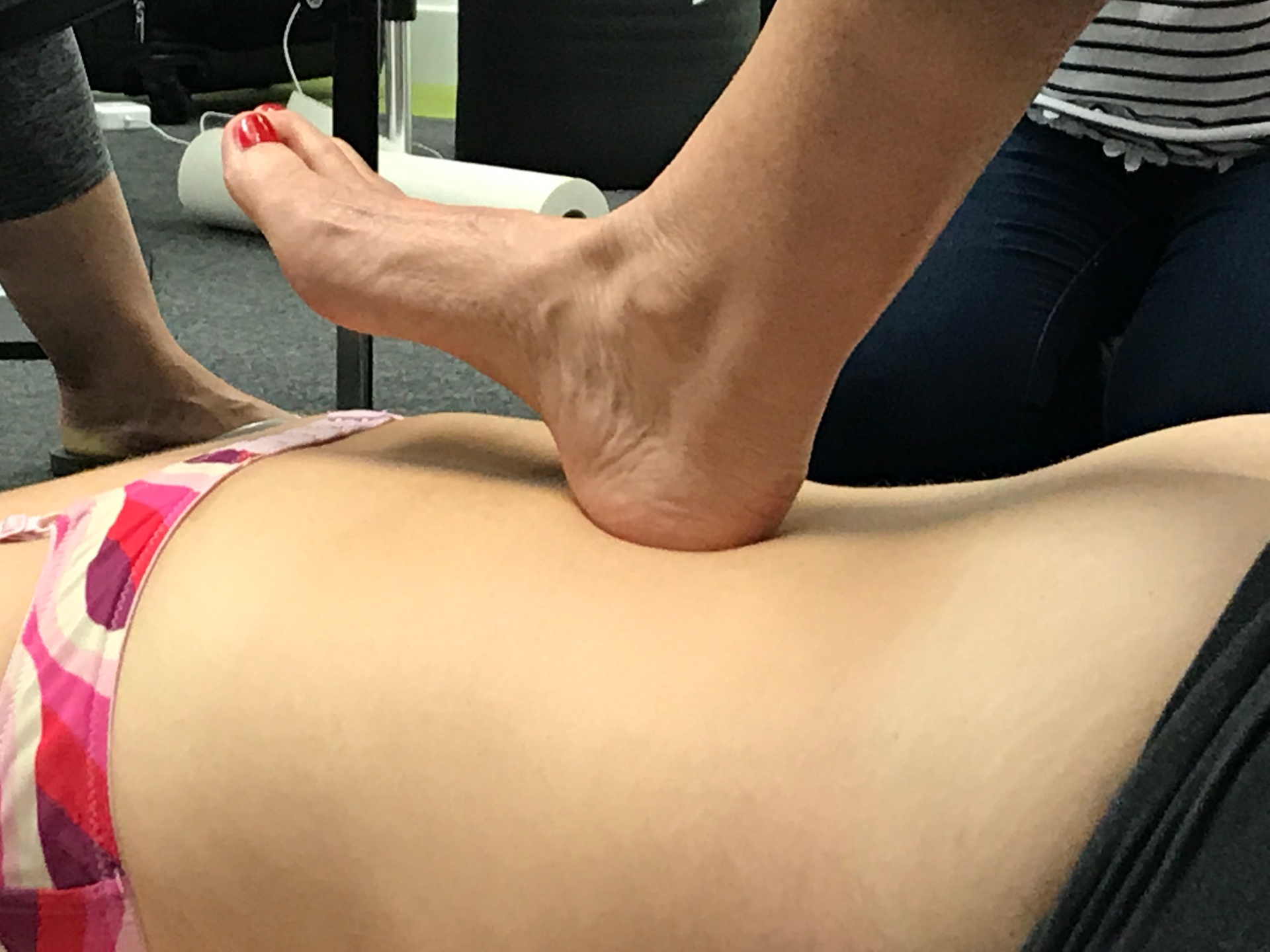
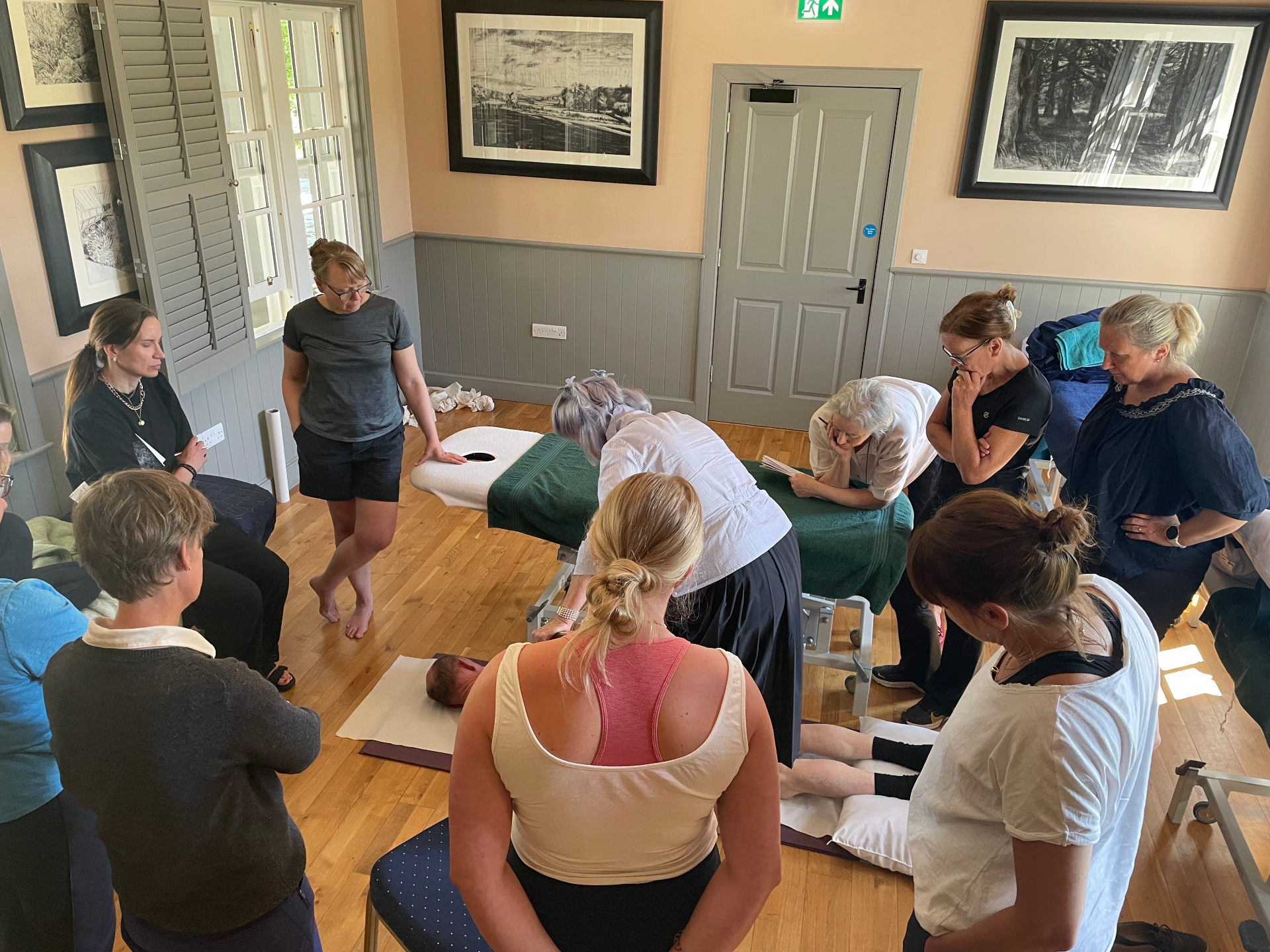
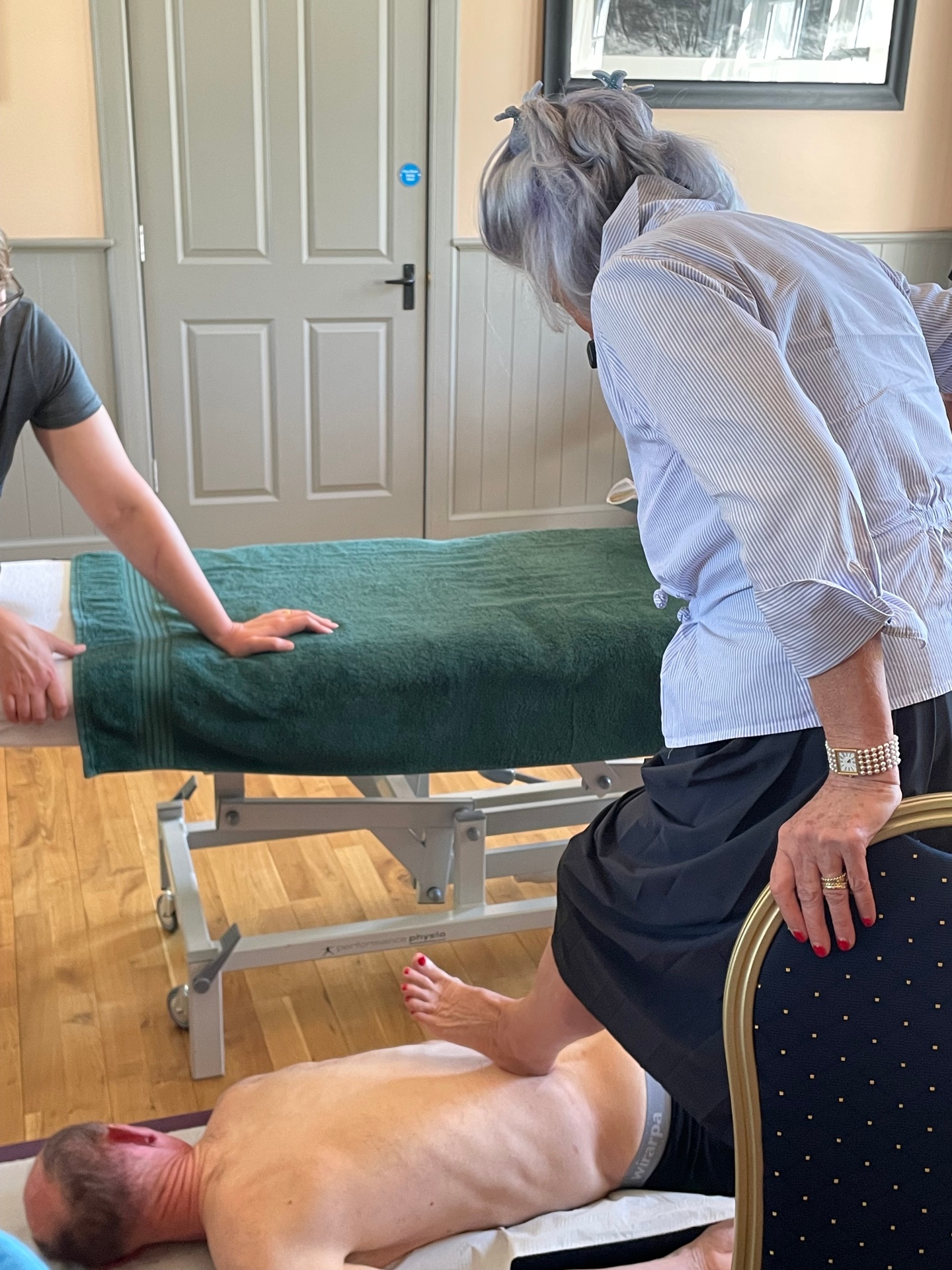
Training therapists in the '5 Stages of Spinal Breakdown' — an advanced, proven method to diagnose low back pain with your hands and learn a unique style of treating the spine using your heel and foot to mobilise.
Our Services
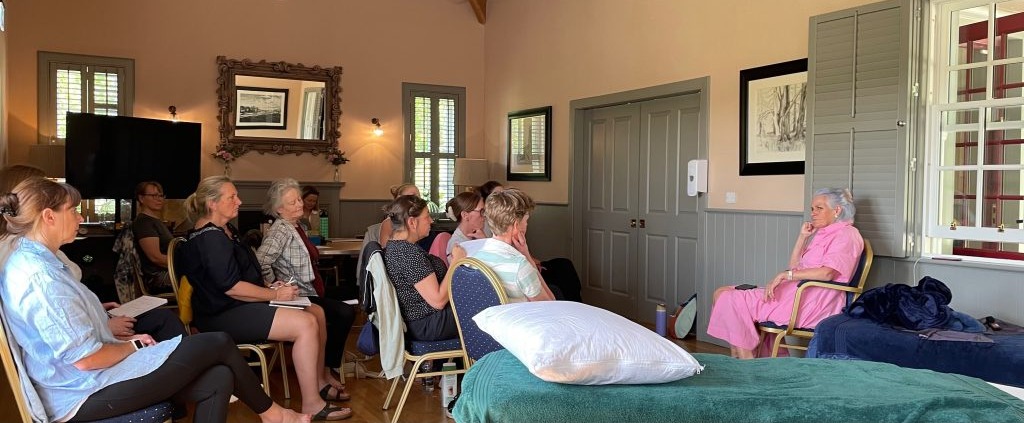
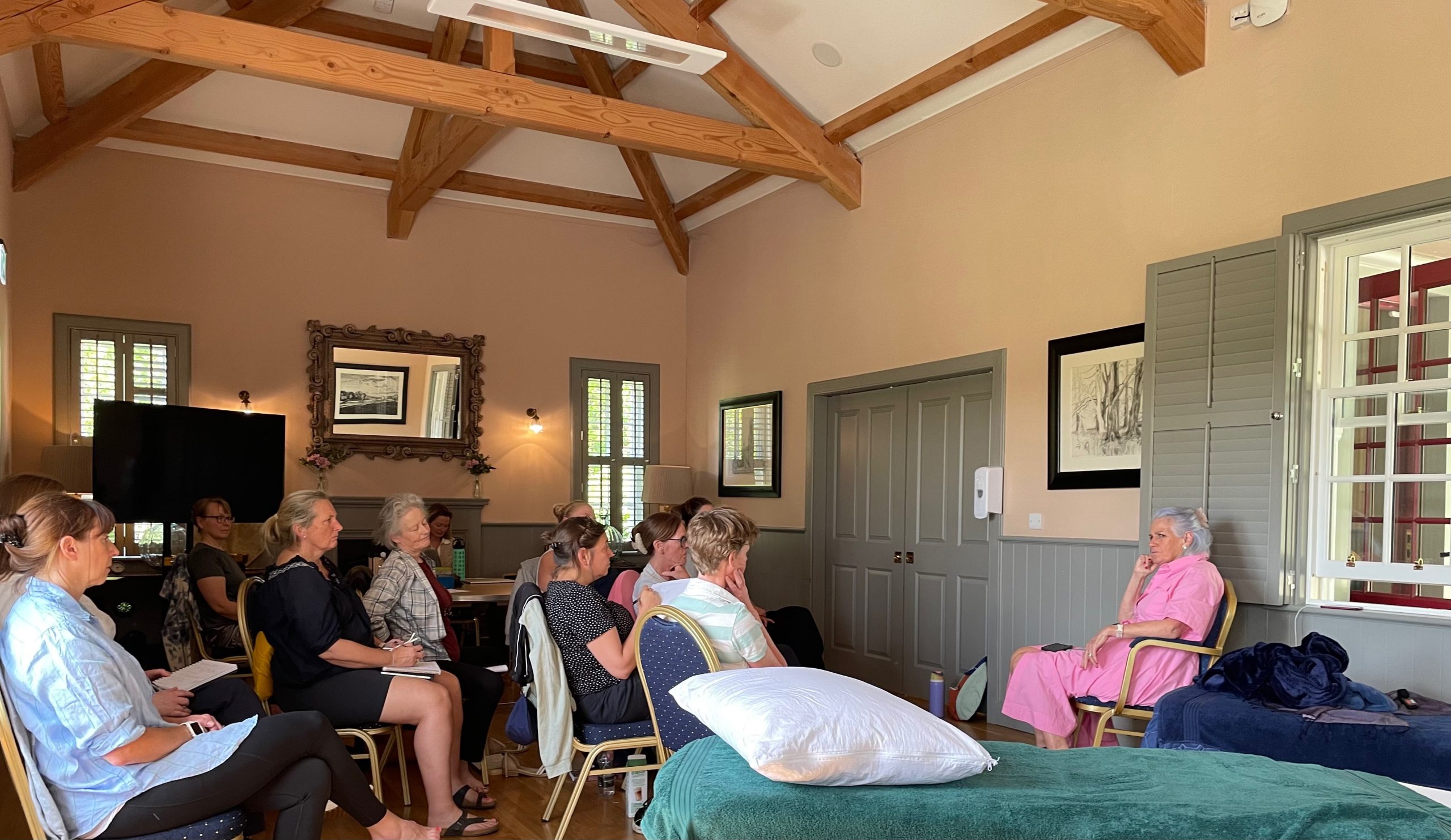
We provide evidence-based spinal training to physiotherapists, osteopaths, sports therapists and clinics. From certification courses to 1:1 mentorship and clinic-wide programs, we blend online learning theory with live practical workshops.
Understanding spinal breakdown
The 5 stages of spinal breakdown.
The Sarah Key method integrates a mixture of educational delivery via online theory by Sarah and intensive hands-on & feet-on practical sessions taught by Cara and Kay. This offers therapists advanced, proven techniques to diagnose low back pain with their hands and a unique style of treating their patients using their feet.
You will gain a deep understanding of the five stages of spinal breakdown and how spinal segments break down over time. You will better understand spinal anatomy, identify problems and have language that is easily adaptable for clients to comprehend their spinal mechanics. This better equips you to treat complex chronic back problems that have failed to resolve by other means.
Use your feet, safely
Learn how to safely and effectively use your feet to mobilise vertebrae, ribs and pelvis — a hallmark of the Sarah Key Method that protects your hands and amplifies your therapeutic leverage.
Get your mojo back
Rediscover your confidence treating backs. Stop groaning when another bad back walks through the door — learn techniques and reasoning that make complex presentations feel manageable again.
Better rehabilitation exercises
Find different, better, more effective treatment techniques and exercises. Refine your hands-on manual skills and exercise prescription so patients feel a difference within sessions.
Confident clinical reasoning
Become more confident diagnosing and treating back problems. Understand the 5 stages of breakdown of a spinal segment as a framework for explaining conditions to your patients.
Join the community
Become part of the SK treatment community. Benefit from social-media connections, peer case-review and an active network of like-minded physios refining the method together.
Set your own agenda
Take time with patients and set your fees accordingly. Stop letting health funds, insurers and corporatised medicine dictate how you practise — own your clinical decisions.
What we teach
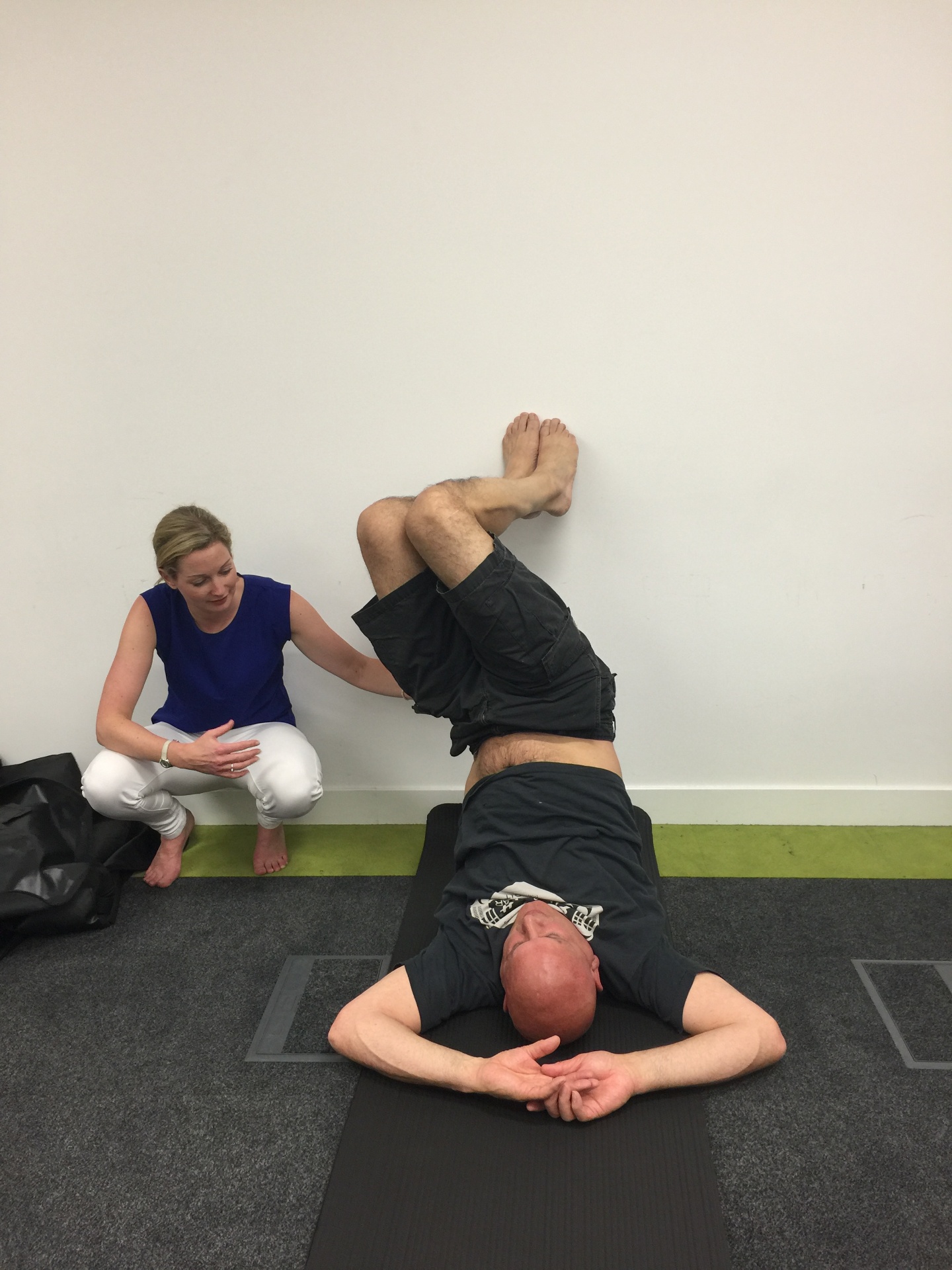
A pathway for every clinician.
Register for your Spinal Masterclass
We run small-group cohorts to preserve mentor-led teaching, so the best way to secure a place is to register online. To discuss cost, dates or institutional bookings, call our office on +44 28 9187 0701.
Register NowOur Key Features
Who we are
Founded in 1992, Spinal Masterclass is a clinician-led training body focused on raising the standard of spinal physiotherapy worldwide. Our faculty are registered, insured and actively practising.
What we do
We deliver a complete training cycle — from foundation courses through advanced clinical reasoning labs, 1:1 case review and clinic-wide programs. Spanning paediatrics through to chronic adult presentations.
Commitment to excellence
Our curriculum aligns with NICE clinical guidance and is regulated through the Health and Care Professions Council (HCPC), Chartered Society of Physiotherapy (CSP) and APA equivalents internationally.